
Winter Garden offers an easy fit for backyard fruit trees with a warm climate and large residential lots. Citrus, mango, avocado, papaya, it all grows so well here, and lots of homeowners capitalize on the climate. It is one of the true joys of being a Central Floridian.
However, there is a downside that people do not understand until they are in trouble. The other reason rodent activity runs so high in Winter Garden neighborhoods is those same fruit trees. Avata Pest Control provides targeted rodent solutions precisely tailored to the Central Florida home for those times when it has already become a problem.
Meet the Culprit: Florida’s Most Common Backyard Rodent
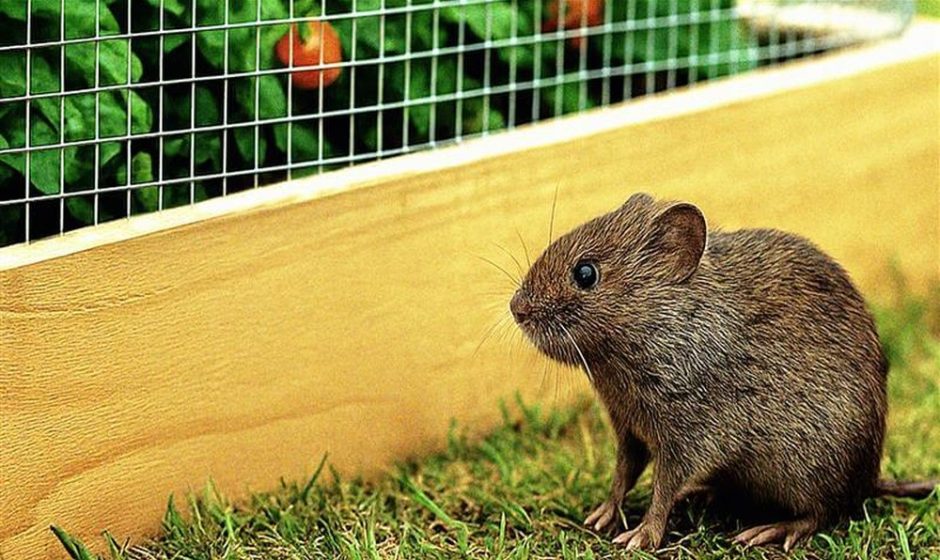
The fruit tree link is for later; first, you should know precisely what rodent you are up against. The big problem species is not the Norway rat everyone imagines, not even in Winter Garden or most of Florida, for that matter. It is the roof rat.
In fact, the roof rat, or what is commonly known as a citrus rat, fruit rat, or black rat, is not only the most widespread rodent pest in Florida, but it is also Florida’s worst rodent. However, roof rats are naturally arboreal, like squirrels, and they can travel through trees and along vines. They like to nest above the ground, especially in attics and soffits, as well as cavities in hollow trees and the skirts of old palm fronds.
Put another way, this rodent was practically tailor-made for the sun-drenched back yards of Florida, and fruit trees are one of its favorite stopping spots.
Why Fruit Trees Are Such a Strong Draw?
Rodents love fruit trees. Roof rats and other rodents are attracted to the sweet aromas of fruit as a staple food source. Ripening fruit smells can lure rodents from surprising distances!
Citrus, particularly oranges and lemons, as well as semi-tropical fruits such as mangoes, papayas, and guavas, are the most popular backyard fruit trees for Florida. These are all favored by roof rats. Things get bad when fruiting season is at its peak in the fall and early winter, precisely when cooler temperatures drive rodent populations in search of warmer digs nearby.
Fruits can quickly fall to ground or roof level and pool in gutters, creating an ever-present food source, both at ground-level and up high; one more reason for rodents to return time and again. After a steady food source is developed in your lawn, rodents not only move, but they also settle.
Practical Steps For Winter Garden Homeowners
The trees themselves are the starting point of managing the risk:
- Prune any branches that are in direct contact with your home – Trim fruit trees where they are at least two to three feet from the structure (including fences and rooflines).
- Put on metal trunk guards – encircling tree trunks with sheet metal as loosely as possible by 18 to 24 inches keeps rats from climbing up.
- Collecting fallen fruit shortly after it happens – ground-level fruit is among the most reliable rodent draws; do not let it sit
- Seal entry points for home – check vents in the attic, soffits, and gaps around utility lines frequently and seal them with steel wool or steel mesh.
- Prevent over-watering – too much moisture around fruit trees creates further pest-attracting conditions in the surrounding soils
When the Problem Is Already Beyond DIY
Managing fruit trees reduces risk, but not necessarily elimination, especially in a city like Winter Garden, where warm temperatures allow roof rats to remain active and breed year-round. But if you listen closely in the attic and can hear some scratching, or you find fruit that had been attacked at ground level, or little gnaw marks around your roofline, then these rodents are already well established and too many of them for mere traps to take care of.
However, you see, that is exactly the scenario where Avata Pest Control is designed to help. They know the particular rodent pressures Winter Garden homeowners experience, how fruit tree behavior fuels infestation cycles, and what a complete, permanent exclusion system represents for properties in Central Florida.