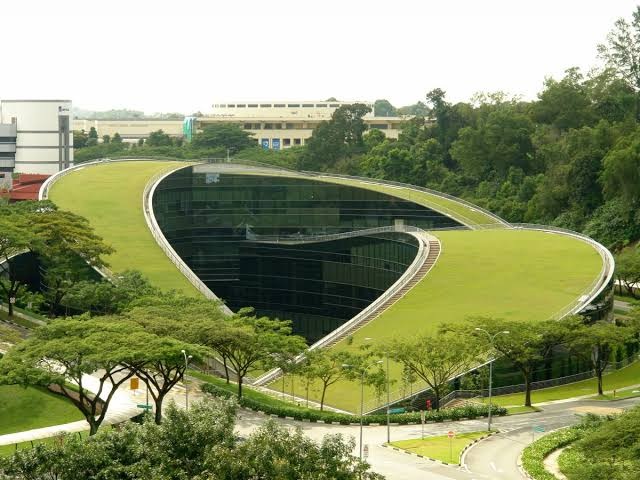

Rooftops used to be the most boring surface on a building. Not anymore. Green roofs — vegetated systems layered with soil and plants — are turning unused rooftop space into one of the fastest-growing solutions in sustainable construction. Here’s what’s actually happening in the world of green roofs right now.
The Market Is Exploding — and Fast
This isn’t a niche trend anymore; it’s a genuine construction movement. The global green roof market has seen adoption improve by nearly 44% thanks to climate-resilient infrastructure demand, while biodiversity integration is boosting long-term value by around 41%. Even more telling: urban sustainability mandates are now influencing nearly 74% of new commercial developments — meaning green roofs are shifting from optional upgrade to expected feature.
Cities Are Choosing Green Roofs for Stormwater, Not Just Looks
The appeal isn’t purely aesthetic. Extensive green roofs — the lighter, low-maintenance type — now make up around 59% of installations, and they’re improving stormwater retention by roughly 48%. In cities dealing with more frequent flash flooding, that’s a genuinely practical selling point, not just a green PR move.
The Energy Savings Are Bigger Than Most People Realize
Green roofs are proving to be a legitimate energy-efficiency tool, not just a symbolic gesture. Research shows green roofing can cut a building’s energy usage by as much as 30.7% in humid climates, and in Mediterranean climates, non-insulated green roofing can deliver cooling energy savings of up to 43.8%. That’s a massive swing in utility costs for a single structural upgrade.
Smart Technology Is Moving Onto the Roof
Green roofs are getting a tech upgrade too. New installations increasingly come equipped with sensors and automated irrigation systems, allowing building managers to monitor soil moisture and plant health in real time instead of relying on manual checks. It’s turning rooftop greenery into a genuinely smart, low-maintenance system.
Japan Is Leading a Major Residential Push
Some of the most interesting recent activity is happening in Japan. Sekisui House recently introduced new residential projects featuring advanced green roof systems in urban Japan, with a focus on reducing heat island effects and improving building insulation while also enhancing biodiversity through native plant integration. Separately, Shimizu Corporation announced the development of eco-friendly commercial buildings incorporating large-scale rooftop greenery systems — a sign that green roofs are scaling well beyond boutique installations.
Major Roofing Companies Are Investing Heavily
The big players in roofing are putting real money behind this shift. Tremco Incorporated recently invested in sustainable roofing technologies to expand its green infrastructure portfolio in the U.S., introducing integrated solutions that combine waterproofing membranes with vegetative roof systems. When established roofing manufacturers start building green-roof-specific product lines, it signals the trend has moved from experimental to mainstream.
Cities Are Publishing New Best-Practice Standards
As adoption grows, so does the need for proper guidance. Vancouver recently released a new green roof best practices guide, joining a growing list of cities formalizing standards for design, maintenance, and performance — a sign that green roofs are being treated as permanent infrastructure, not a passing trend.
Commercial Buildings Are Still Leading Adoption
While residential interest is climbing fast, commercial properties remain the biggest driver. Commercial buildings currently account for approximately 53% of green roof demand, compared to close to 47% for residential projects, largely thanks to sustainability mandates and regulatory incentives pushing developers toward greener rooftop solutions.
The Bottom Line
Green roofs have quietly evolved from a niche sustainability feature into a genuine urban infrastructure strategy — cutting energy bills, managing stormwater, fighting the heat island effect, and even getting their own sensor-driven smart systems. With major developers, cities, and roofing manufacturers all investing at once, this is a trend with real staying power, not just a passing eco-fad.