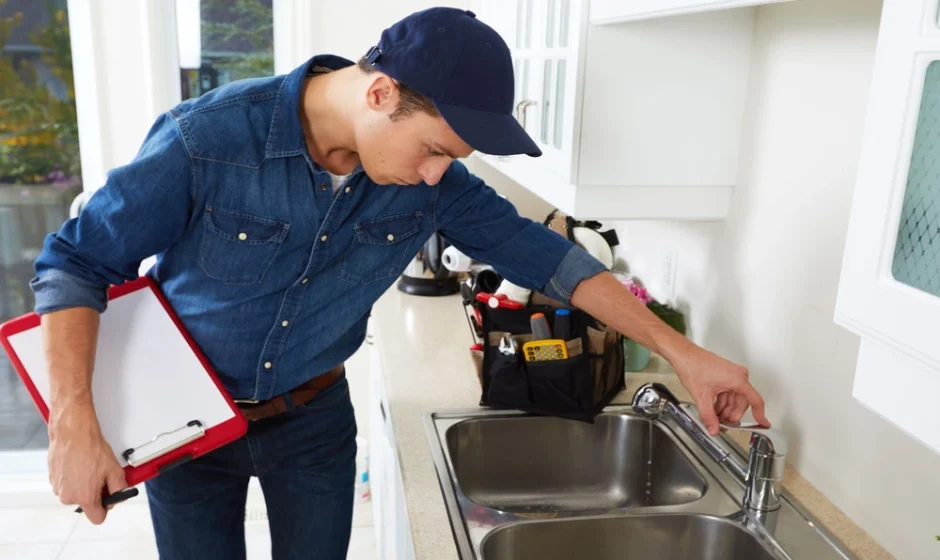

Despite being crucial to keeping a house tidy and functioning, sewer pipes are seldom maintained unless something goes wrong. Many people believe that as pipes age, sewage issues will inevitably arise. However, routine home activities may progressively harm subterranean plumbing systems, resulting in difficult-to-remove obstructions, disagreeable smells, and costly repairs. Homeowners may safeguard their plumbing and prevent needless interruptions by being aware of these behaviors.
Daily routine adjustments, no matter how little, may have a big impact. Homeowners may detect emerging issues before they need expensive repairs by knowing when to call the Best Plumbers in Houston.
Grease Pouring Down The Kitchen Sink
One of the most harmful home practices is using the kitchen sink to dispose of cooking fat. Grease cools and solidifies within plumbing pipes, despite its seemingly innocuous appearance while heated. These deposits build up over time and impede the flow of wastewater.
Additionally, grease may retain food particles, resulting in obstacles that are difficult to remove with standard drain cleaning techniques. Homeowners should gather residual oil in an appropriate container and dispose of it appropriately rather than spilling it into the sink. Greasy cookware accumulation is also decreased by wiping it before washing.
How To Handle The Toilet Like A Garbage Can
Toilets are not meant to manage regular home trash, but rather human waste and toilet paper. Unfortunately, poor flushing often allows objects like cotton swabs, paper towels, face tissues, and personal hygiene products to enter sewage systems.
Products that are marketed as flushable do not disintegrate fast enough to avoid obstructions. Wastewater flow may ultimately be hampered by these sediments building up around pipe joints or other obstacles.
A little wastebasket placed next to the toilet promotes appropriate disposal and lessens needless strain on household sewage systems.
Overuse Of Chemical Drain Cleaners
When sinks or showers start to drain slowly, chemical drain cleaners can appear practical. However, certain plumbing materials, particularly older pipes already weakened by corrosion, might be harmed by frequent use of harsh cleaning agents.
Without treating the underlying causes of minor blockages, these drugs may temporarily remove them. As a result, the same drainage issues often recur.
Expert examinations provide a more dependable method of comprehending persistent obstructions. Without needlessly subjecting delicate plumbing components to harsh agents, the Best Plumbers in Houston can assess pipe conditions and suggest suitable cleaning techniques.
Letting Food Scraps Get Into Kitchen Drains
During meal preparation and dishwashing, kitchen sinks often gather tiny food particles. Even though a single scrape may not seem like much, frequent disposal can lead to sewage obstructions.
Rice, pasta, coffee grounds, and fibrous vegetables are especially problematic because they may build up or become tangled with existing trash.
Smoother drainage is maintained by using sink strainers and clearing away remaining food before washing dishes. Additionally, garbage disposals shouldn’t be used in lieu of appropriate waste disposal; instead, they should be used in accordance with manufacturer instructions.
Ignoring Tiny Warning Signs For Plumbing
Because these symptoms seem bearable at first, many homeowners ignore foul odors, poor drainage, or sporadic gurgling noises. Minor plumbing anomalies, however, might sometimes be a sign of impending clogs in the sewage system.
Plunging drains repeatedly without looking into recurring issues might postpone required repair. When many fixtures drain slowly at once, it may indicate a deeper plumbing system obstruction.
When odd symptoms continue, scheduling an inspection may assist in identifying if the issue is with the main sewage line or a small drain.
Ignoring Tree Growth And Outdoor Drainage
Indoor plumbing fittings are only one aspect of household upkeep. Buried sewage lines may be impacted by poor yard drainage, unchecked tree growth, and soil movement.
Due to their inherent need for moisture, tree roots may find their way into sewage pipes via gaps or faulty couplings. Once inside, they have the potential to grow and impede the flow of wastewater.
Before planting big trees, homeowners should think about subterranean utility placement. Reducing soil saturation and associated plumbing issues may also be achieved by maintaining efficient drainage around the property.
Conclusion
Responsible daily practices are the first step in sewage line protection. Preventable damage may be minimized with proper waste disposal, cautious drain maintenance, and prompt treatment of plumbing problems.
Homeowners may assess the state of their sewage system and choose appropriate repairs by speaking with the Best plumbers in Houston when persistent problems arise. In the end, regular maintenance promotes dependable drainage, safeguards property, and lessens the possibility of unforeseen plumbing crises.