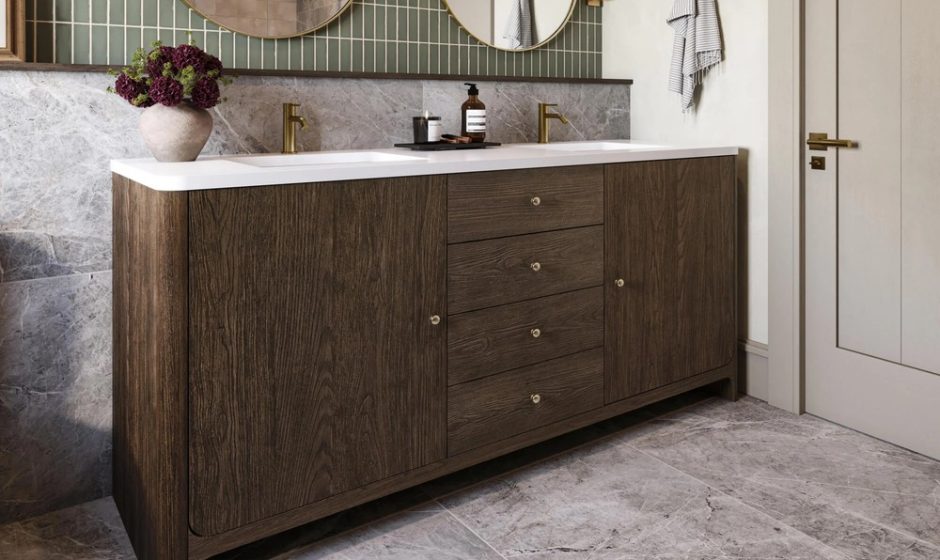

A bathroom renovation can transform your morning routine, but the wrong vanity can throw everything out of balance. Picking the perfect piece means weighing both size and color, two factors that shape how your space looks and functions.
The Role of Size in Bathroom Vanity Selection
The first mistake people make? Guessing instead of measuring. Grab a tape measure before you browse; knowing your bathroom’s footprint prevents costly missteps. A powder room might handle an 18-inch wall-hung vanity, while a master bath could accommodate a 72-inch double-sink showpiece.
Size matters for more than just fitting the vanity. Countertop space, sink width, and storage all depend on those dimensions. A 24-inch vanity offers storage for essentials, but if you share the space, you might crave the elbow room (and extra drawers) of a 60-inch option.
Small vs. Large Vanities: Pros and Cons
Smaller vanities conserve floor space and work wonders in tight quarters. They make a cramped bathroom feel bigger and are easier to install. The downside? Limited surface area and storage. Larger vanities deliver extra sinks and plenty of drawers but can dominate the room and make traffic flow awkward in compact layouts.
| Vanity Size | Best For | Pros | Cons |
|—————–|———————-|——————————-|————————|
| 18″-28″ (Small) | Powder rooms, condos | Space-efficient, affordable | Minimal storage, single sink |
| 30″-48″ | Guest or main baths | Good balance of space | May not fit double sink |
| 60″-72″+ | Master bathrooms | Double sinks, lots of storage | Needs large bathroom |
Single Sink vs. Double Sink: Size Implications
If mornings mean a lineup at the sink, a double-sink vanity could save your household sanity. The catch? Double sinks typically require at least 60 inches of width, meaning only spacious bathrooms qualify. For smaller spaces, a single-sink vanity maximizes counter space and storage.
How Color Shapes Bathroom Vanity Choices
Color is more than just personal preference, it changes the entire vibe of your bathroom. Trends today range from crisp whites and dramatic blacks to natural oak and warm walnut tones. Each choice tells a different story.
Popular Vanity Colors and Their Aesthetic Effects
White vanities create an airy, clean backdrop and make small bathrooms feel bigger. Black commands attention, introducing modern drama, while greys sit comfortably in between, offering sophistication without being stark. Oak and walnut textures bring warmth and a sense of nature indoors.
Matching Vanity Color with Bathroom Style and Fixtures
Consistency is the secret to a harmonious look. For example, a walnut vanity pairs beautifully with matte black fixtures, while a white or grey vanity suits chrome or brushed-nickel taps. If your bathroom already has bold tiles or wallpaper, a subdued vanity color will keep the look balanced.
Dark vs. Light Colors: Visual Space and Mood Influence
Light shades reflect more light and visually expand space, perfect for compact bathrooms. Darker vanities anchor a room, making them a sophisticated choice for larger spaces but potentially overwhelming in small baths unless balanced by light walls and plenty of illumination.
Textured Finishes vs. Solid Colors: Trends and Durability
Textured finishes like rough oak or walnut add tactile interest and can help hide everyday scuffs. Solid colors, especially glossy whites and blacks, offer a sleek look but may reveal dust or water spots more easily.
Comparing Vanity Types by Size and Color
Vanities also come in different shapes and mounting styles, which affect both space and style.
Wall-Mounted Vanities: Space-Saving and Style Considerations
Wall-hung vanities “float” above the floor, making cleaning easier and visually increasing floor space. They are especially effective in tight rooms and come in a range of colors, from white to black and wood grains.
Freestanding Vanities: Size Flexibility and Design Impact
Freestanding models ground the bathroom, offering flexibility in size and a classic look. They frequently feature open shelving or more robust storage, and their design can accommodate any finish or countertop.
Material and Countertop Choices Across Sizes and Colors
From polymarble to engineered quartz, your choice of countertop should complement the cabinet’s tone and your lifestyle. For example, white polymarble countertops brighten up dark cabinetry, while black engineered quartz adds edge to light vanities.
Practical Considerations: Size and Color in Everyday Use
Maintenance often depends on finish. Dark glossy vanities might show fingerprints, while a textured oak model hides dust. Larger vanities, while offering storage, can create cleaning challenges around feet and edges.
Accessibility is also tied to size. Wall-mounted vanities allow for wheelchair access underneath, while taller freestanding models may be more comfortable for adults.
Synthesis: Matching Size and Color to Your Bathroom Design Goals
The best result comes from harmonizing vanity size with your bathroom’s footprint while using color to enhance or soften the visual impact. A 30-inch white vanity can open up a small space, while a 72-inch walnut double sinks can create a luxe focal point.
Want inspiration? Experts suggest exploring bathroom vanities in a variety of sizes and finishes to see which combinations spark ideas for your own project.
Final Thoughts: Making an Informed Vanity Selection
Ultimately, the right vanity blends your practical needs with your style preferences. Always measure before buying, and visualize how the color and size will transform your space. Many retailers, including local showrooms in Montreal, offer expert advice and digital tools to help you picture your new vanity before you commit. With the right balance of function and flair, your new bathroom will work for your life, and your taste.